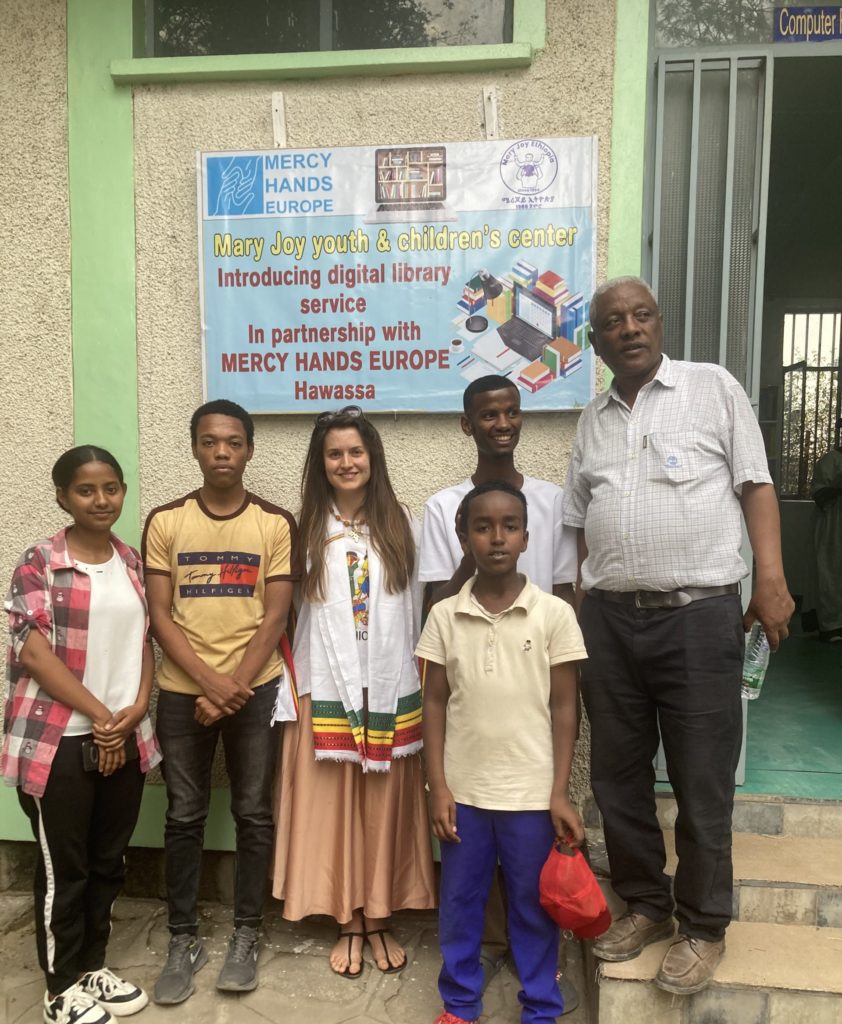
Bridging the Digital Divide in Ethiopia: Mercy Hands Europe's Approach
Ethiopia, with its population exceeding 120 million, stands as the second-most populous country in Africa. As the nation strives to accelerate its development and enhance its global competitiveness, the digital divide remains a significant challenge. This divide, marked by disparities in access to digital technologies, internet connectivity, digital literacy, and socioeconomic conditions, poses a substantial barrier to progress. While the Ethiopian government and various organisations are making strides to bridge this gap, international NGOs like Mercy Hands Europe are playing a crucial role in these efforts, particularly through innovative projects aimed at improving levels of digital literacy.
What is the Digital Divide in Ethiopia?
The digital divide refers to the gap between individuals, households, businesses, and geographic areas at different socioeconomic levels in terms of their access to information and communication technologies (ICTs) and their use of the internet for a wide variety of activities. This divide can manifest in various forms, such as disparities in internet access, the availability of digital devices, digital literacy, and the ability to utilise digital tools effectively. The consequences of the digital divide are far-reaching, as those without adequate access to digital technologies are often left behind in education, economic opportunities, and civic engagement. In Ethiopia, this divide is particularly pronounced due to significant disparities in infrastructure, socioeconomic status, and educational resources, creating a challenging environment for the country’s development and its people’s access to the benefits of the digital age.
The digital divide in Ethiopia is most evident in the stark contrast between urban and rural areas. Urban centres like Addis Ababa enjoy relatively better access to digital infrastructure, including high-speed internet, mobile connectivity, and digital devices. However, while Addis Ababa alone is home to around 4 to 5 million people, the vast majority of Ethiopia’s ~132 million population — about 76–77 % — live in rural areas,suffering from poor infrastructure, limited access to electricity, and minimal internet connectivity. Thus, the limitations in digital infrastructure don’t affect just isolated pockets; they impact nearly 100 million people who predominantly lack reliable access, making digital exclusion a nationwide systemic issue. According to the latest ITU Facts and Figures 2024 report, about 83% of urban residents use the Internet, compared to less than 50% of those living in rural areas — highlighting a persistent global digital divide, particularly in low-income countries such as Ethiopia.
Economic disparities further widen the digital divide. High poverty rates limit many Ethiopians’ ability to afford digital devices like smartphones, computers, and internet services. This economic barrier is particularly pronounced in rural areas, where income levels are generally lower. The high cost of internet services relative to average incomes makes it inaccessible to a large portion of the population. According to the World Bank (2025), although significant progress has been made in Ethiopia (for example mobile penetration rose from 26 % to 33 % between 2020 and 2024), many still lack effective access to digital technology — high device and data costs, limited digital literacy and regulatory constraints continue to keep digital inclusion sharply constrained (World Bank, Empowering Ethiopians by Laying the Digital Foundations for Safe Economic Growth, 30 June 2025)
Even when access to technology is available, the lack of digital literacy remains a significant challenge. Many Ethiopians, especially in rural areas, lack the skills needed to use digital tools effectively. This gap is exacerbated by limited educational resources and opportunities to acquire these skills, leaving the benefits of digital infrastructure underutilised. According to UNESCO (2024), digital literacy—which it defines as the ability “to access, manage, understand, integrate, communicate, evaluate and create information safely and appropriately through digital technologies” — is a critical component of addressing the digital divide, and Ethiopia must prioritise education in this area to ensure broad-based digital inclusion.
The digital divide in Ethiopia also reflects gender inequalities. Women and girls, particularly in rural areas, have less access to digital technology and the internet compared to men. Cultural norms, lower education levels among women, and economic barriers contribute to this gender gap, limiting women’s participation in the digital economy. UN Women emphasises that bridging this gender gap is essential for achieving gender equality in the digital age.
Challenges and Necessary Improvements
Access to the internet is a fundamental aspect of the digital divide in Ethiopia, significantly impacting the country’s ability to leverage digital technologies for economic and social development. Despite some progress, internet accessibility remains limited and unevenly distributed across the country. As of early 2025, internet penetration in Ethiopia stands at approximately 21.3% of the population (DataReportal, Digital 2025: Ethiopia, 2025).This figure reflects substantial progress from previous years but still leaves a large portion of the population disconnected. The disparity is particularly pronounced between urban and rural areas, with urban centres like Addis Ababa enjoying relatively widespread access, while rural areas lag far behind. This digital divide is exacerbated by Ethiopia’s challenging topography, which makes it difficult to extend infrastructure to remote and rural communities.
One of the main barriers to improving internet access in Ethiopia is the lack of infrastructure. Many rural areas lack the necessary telecommunications infrastructure, including fibre-optic cables and mobile networks, to provide reliable and high-speed internet access. The rugged terrain and dispersed populations in rural regions further complicate infrastructure development. The cost of internet services in Ethiopia remains high relative to average incomes, particularly in rural areas. The combination of high service costs and the expense of purchasing digital devices limits access for many Ethiopians, particularly the economically disadvantaged. Until recently, Ethiopia’s telecommunications sector was a state monopoly, which limited competition and innovation in the sector. Although the government has begun liberalising the market by allowing foreign investments, the process is ongoing, and its full impact on internet accessibility has yet to be realised. Even where internet access is available, low levels of digital literacy prevent many from fully utilising the internet’s potential. Without the skills to navigate online resources, the benefits of internet access remain out of reach for much of the population.
Strategies for Improving Internet Access:
To improve internet access, Ethiopia must continue to invest in expanding telecommunications infrastructure, particularly in rural areas. This includes extending fibre-optic networks, enhancing mobile coverage, and exploring alternative technologies such as satellite internet to reach remote communities. Further liberalisation of the telecommunications sector could help reduce prices and improve service quality by fostering competition among providers. Encouraging private investment in infrastructure development is also essential. Collaborations between the government, private sector, and international organisations can accelerate infrastructure development. Public-private partnerships (PPPs) can pool resources and expertise, helping to overcome the financial and technical challenges associated with expanding internet access. To make internet access more affordable, the government and partners could introduce subsidies or financial incentives for internet service providers (ISPs) to lower costs, especially in underserved areas. Additionally, initiatives to provide low-cost or subsidised digital devices could help increase access among economically disadvantaged populations.
Alongside infrastructure improvements, Ethiopia must invest in digital literacy programs to ensure that people can use the internet effectively. This includes integrating digital skills training into the education system and providing community-based training programs.
Mercy Hands Europe and the Digital Library Initiative:
As Ethiopia continues its efforts to bridge the digital divide, international organisations like Mercy Hands Europe are making significant contributions to this mission. One of the standout initiatives by Mercy Hands Europe is the establishment of the Digital Library, a project specifically designed to address the digital divide by providing access to educational resources, meaningful internet access and digital tools in the Hawassa Region.
The Digital Library initiative by Mercy Hands Europe is equipped with a vast collection of digital educational materials, including textbooks, research papers, and multimedia resources. These resources are made accessible to students, facilitators, and the general youth population in the region, where traditional libraries and educational facilities are often lacking or under-resourced. By providing these resources, the Digital Library helps bridge the knowledge gap and promotes self-directed learning.
The Digital Library goes beyond merely providing access to information; it also offers training programs aimed at enhancing digital literacy. These programs teach users how to navigate the digital world, use various software applications, and harness the power of the internet for educational and economic purposes. By improving digital literacy, the initiative empowers individuals to take advantage of the opportunities presented by the digital age. The initiative is not just about technology but also about building communities. The library serves as a community hub where people can come together to learn, share knowledge, and collaborate on projects. This community-focused approach helps to foster a culture of digital inclusion and empowerment, particularly in rural areas where such opportunities are rare.
Recognizing the gender disparities in digital access, the Digital Library places special emphasis on supporting women and girls. Through targeted programs and safe learning environments, the initiative encourages female participation in digital education and skill development, helping to narrow the gender gap and promote gender equality in the digital realm. Mercy Hands Europe is committed to ensuring that the Digital Library initiative is scalable and sustainable. By working with local partner Mary Joy Ethiopia the initiative aims to establish a network of digital libraries across Ethiopia, even in the most remote and underserved areas. This approach not only broadens the impact of the project but also ensures its long-term sustainability.
Moreover, the initiative aligns with the UN sustainable development goals: it advances quality education (SDG 4) by providing digital library services to youth aged 10–24; supports gender equality (SDG 5) by ensuring 60% of beneficiaries are girls and young women; addresses reduced inequalities (SDG 10) by extending broadband access to underserved groups; and strengthens global partnerships (SDG 17) through collaboration with local authorities, schools, and international actors.
The Digital Library initiative is closely aligned with the strategies of key UN agencies promoting digital inclusion across Africa. UNESCO recognises digital literacy as a cornerstone of inclusive and equitable education, placing it at the heart of its African Education Strategy. Similarly, the initiative complements the World Bank’s ongoing efforts to lay Ethiopia’s digital foundations for economic growth. While the World Bank focuses on expanding infrastructure, advancing policy reforms, and fostering market liberalisation, Mercy Hands Europe ensures that connectivity leads to tangible human impact — particularly among rural youth — by providing digital literacy training, access to devices, and locally relevant content. In doing so, the project transforms digital access into meaningful use, extends the benefits of connectivity beyond urban centres, and drives inclusive digital transformation from the ground up.
Conclusion
The digital divide in Ethiopia remains a significant challenge, but the country is making meaningful strides toward bridging the gap. Efforts from the government, local organisations, and international NGOs like Mercy Hands Europe are crucial in this endeavour. The Digital Library initiative by Mercy Hands Europe is a powerful example of how targeted, innovative interventions can address multiple facets of the digital divide, from access to digital literacy, community engagement, and gender equality.
Published on March 17, 2026